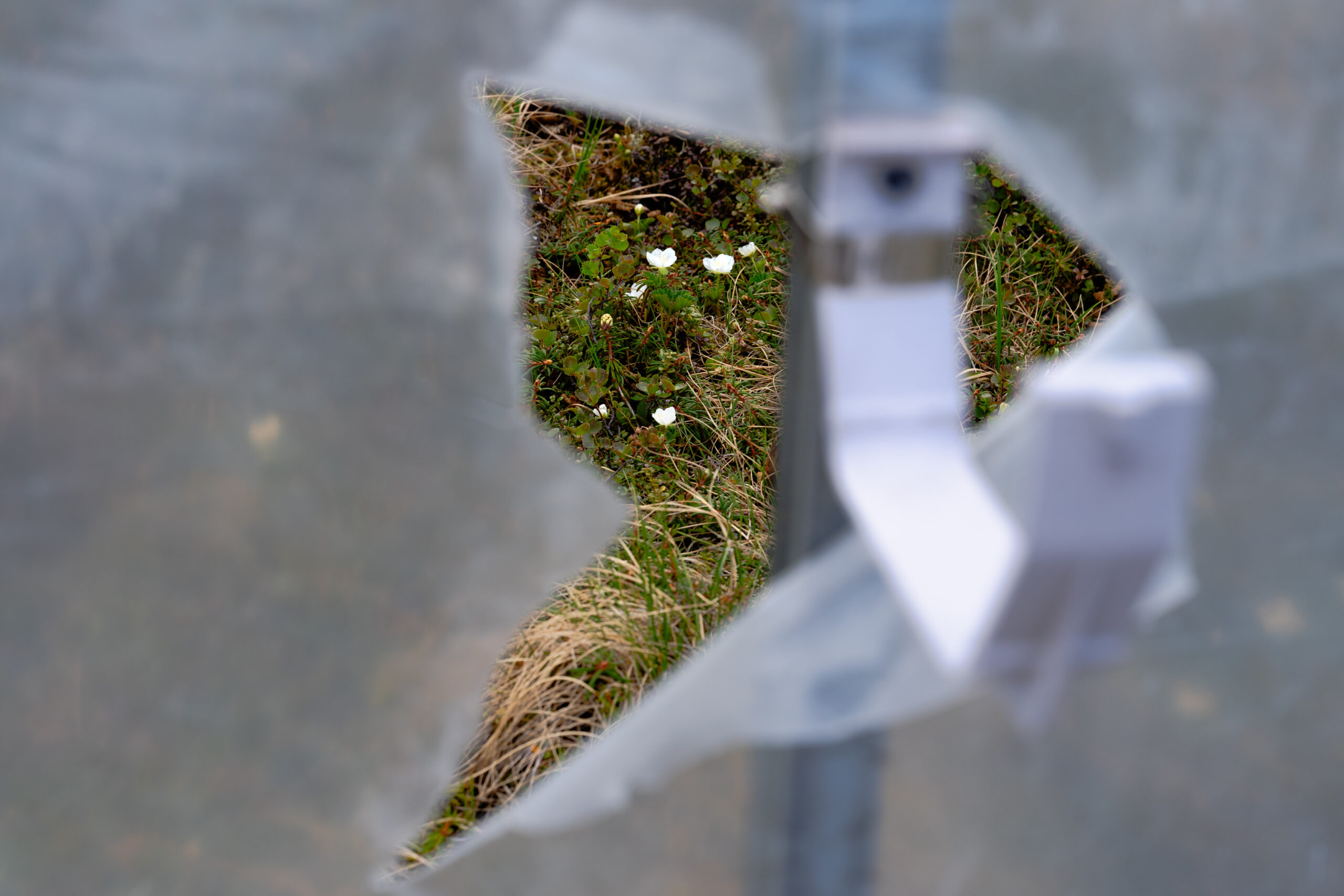
Ten years later: an LTER synthesis working group leads to discovery and accelerates four careers
Science WritingThe CoRRE Working Group continues to develop new ways to study plant community change across the globe.
Read more
The CoRRE Working Group continues to develop new ways to study plant community change across the globe.
Read more
The In a Time of Change program at the Bonanza Creek LTER brings together artists and scientists to generate new ways of understanding nature.
Read more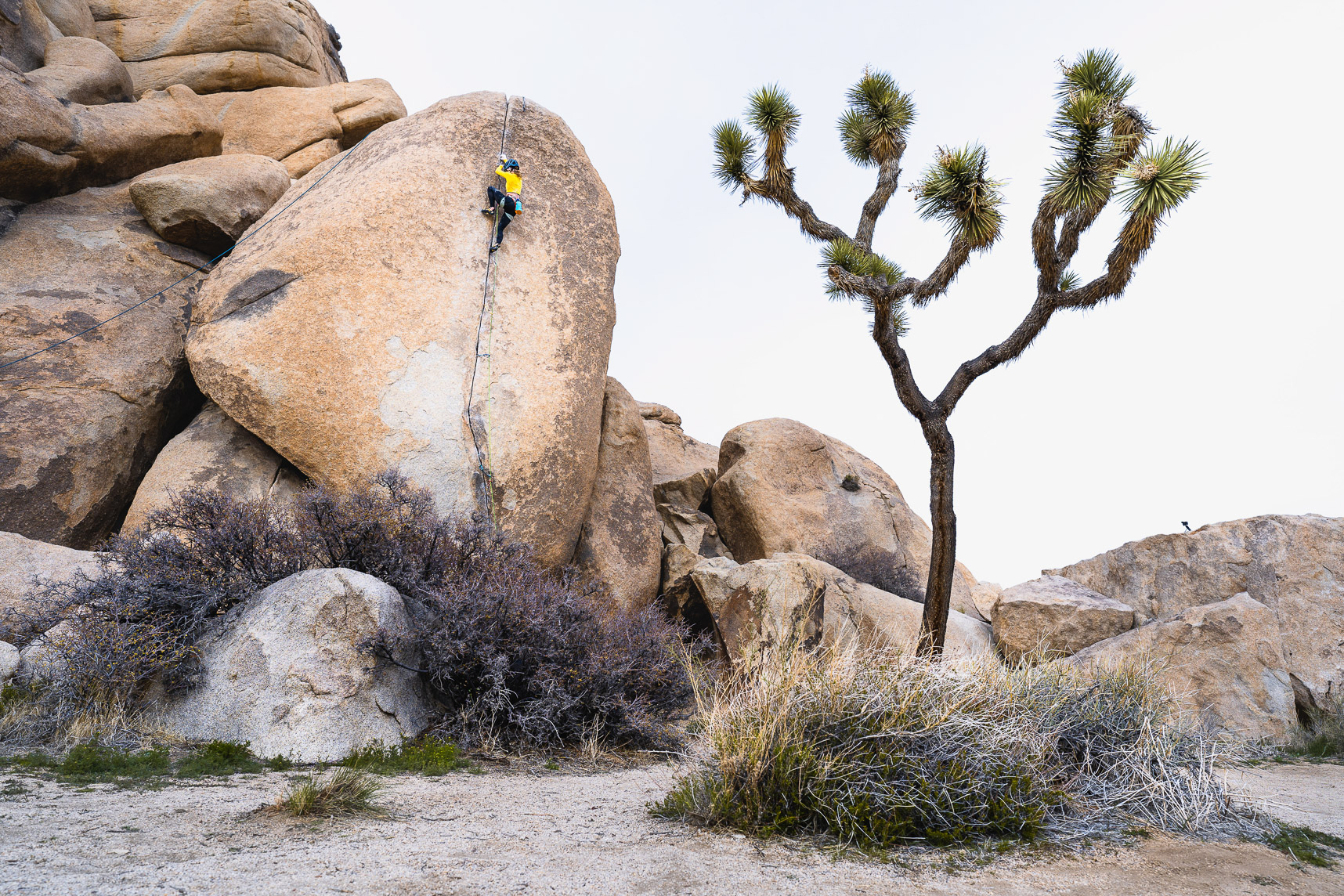
I distinctly remember telling my mother I’d never take up trad climbing. Why this exchange comes to me now, as my feet struggle to find purchase on the glacier polished Northwest granite, I’ll never know.
Read more
An experiment at treeline, one on the tundra, one in the Kuparuk. Each has provided researchers with valuable truths about how each Arctic system responds to change.
Read more
How much revenue can seagrass restoration generate from carbon credits? It depends, says a new paper from the VCR LTER.
Read more
Press release for the new working groups.
Read more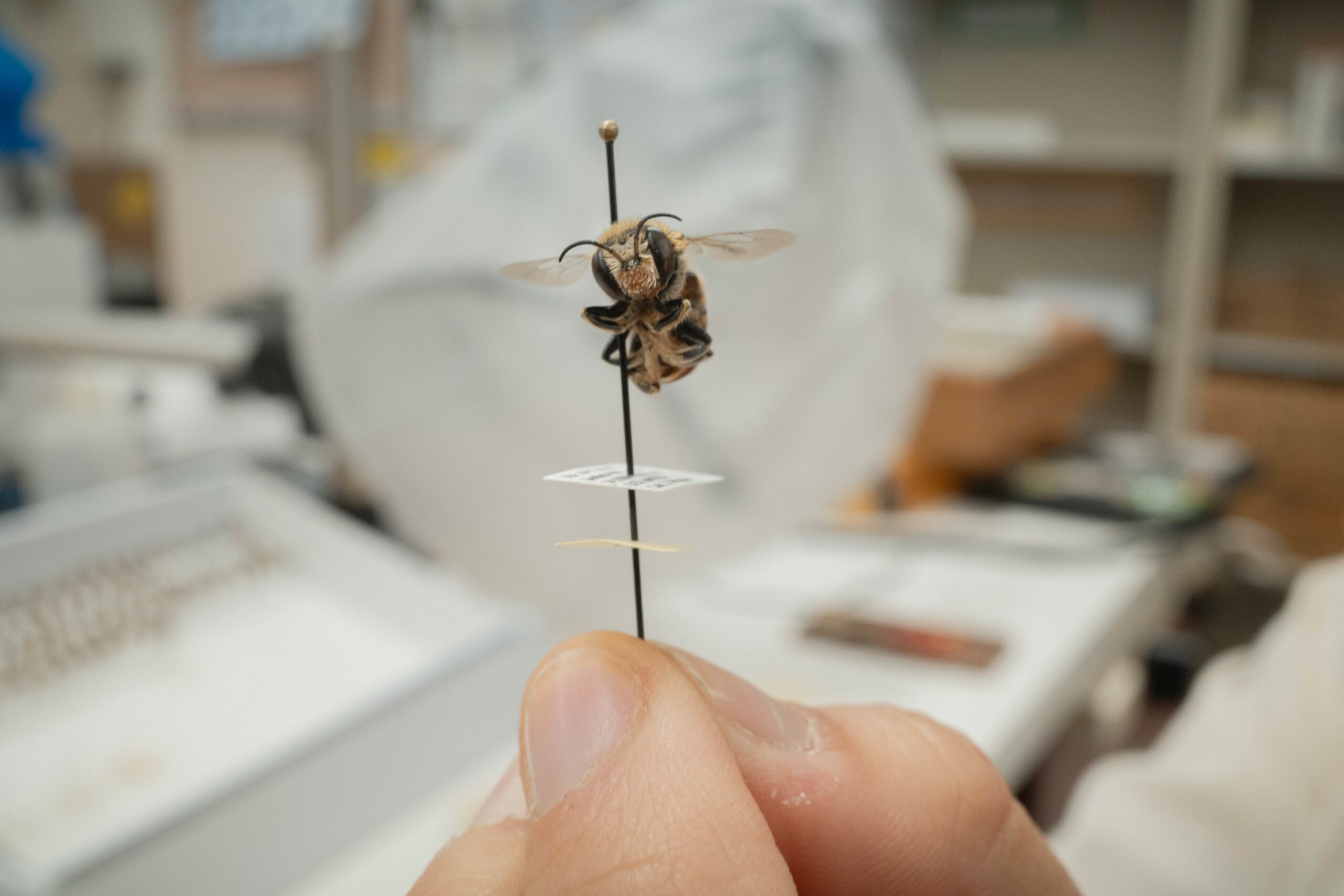
The Sevilleta LTER has the biggest collection of bee specimens in the world.
Read more
The In a Time of Change program at the Bonanza Creek LTER brings together artists and scientists to generate new ways of understanding nature.
Read more
The CoRRE Working Group continues to develop new ways to study plant community change across the globe.
Read more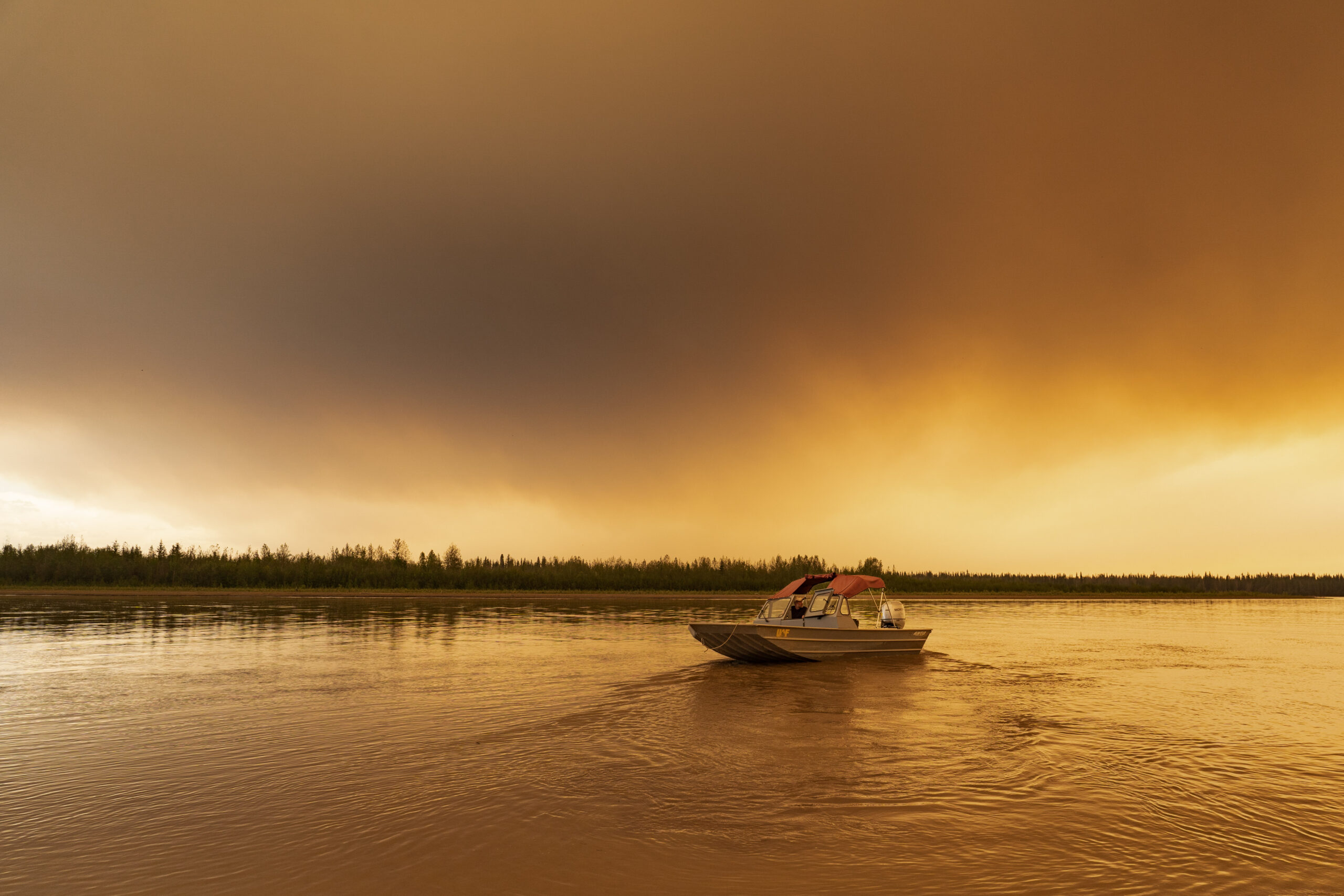
Bonanza Creek was quick to remind me of its true nature: everything about its ecology follows the flame.
Read more
This year, our actions at the LTER Network Office (LNO) sowed seeds for the future of our network. We invested in our own people, in our science, and in our ability to impact others. The result is momentum we hope will carry into the next decade.
Read more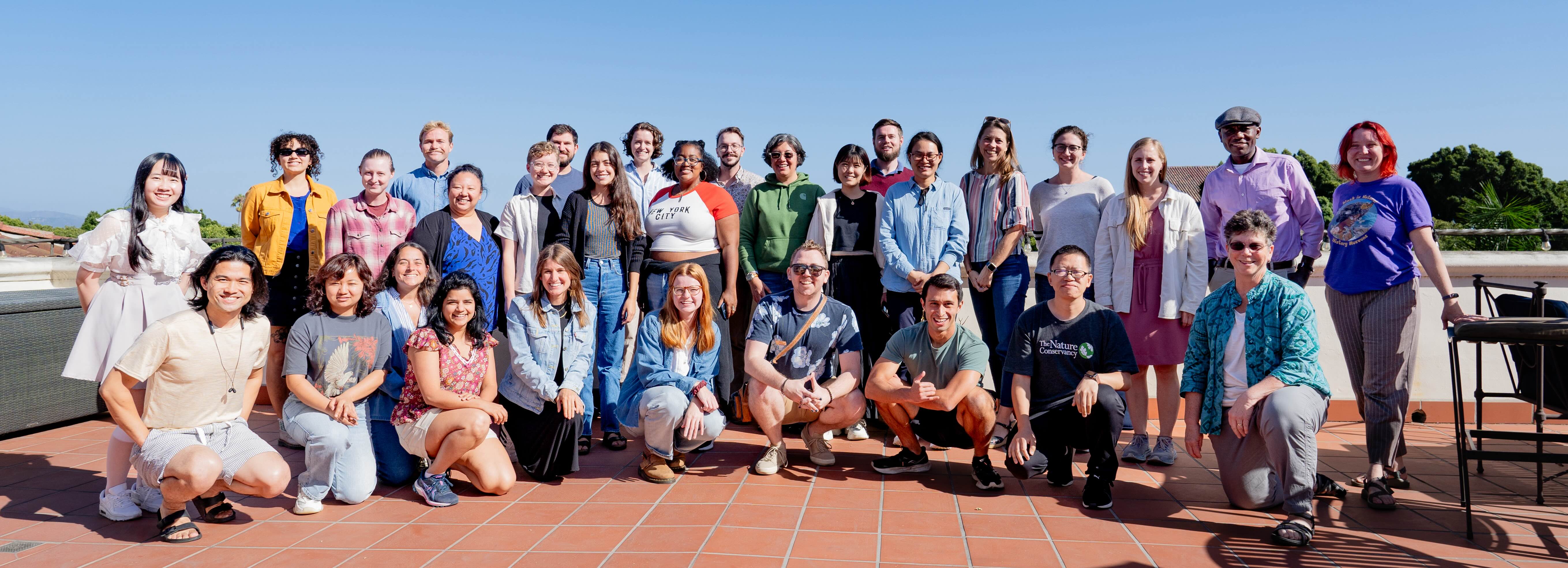
Training the next generation of ecologists in synthesis science: renewed funding for the LNO prioritizes synthesis, broadening participation, and mentorship.
Read more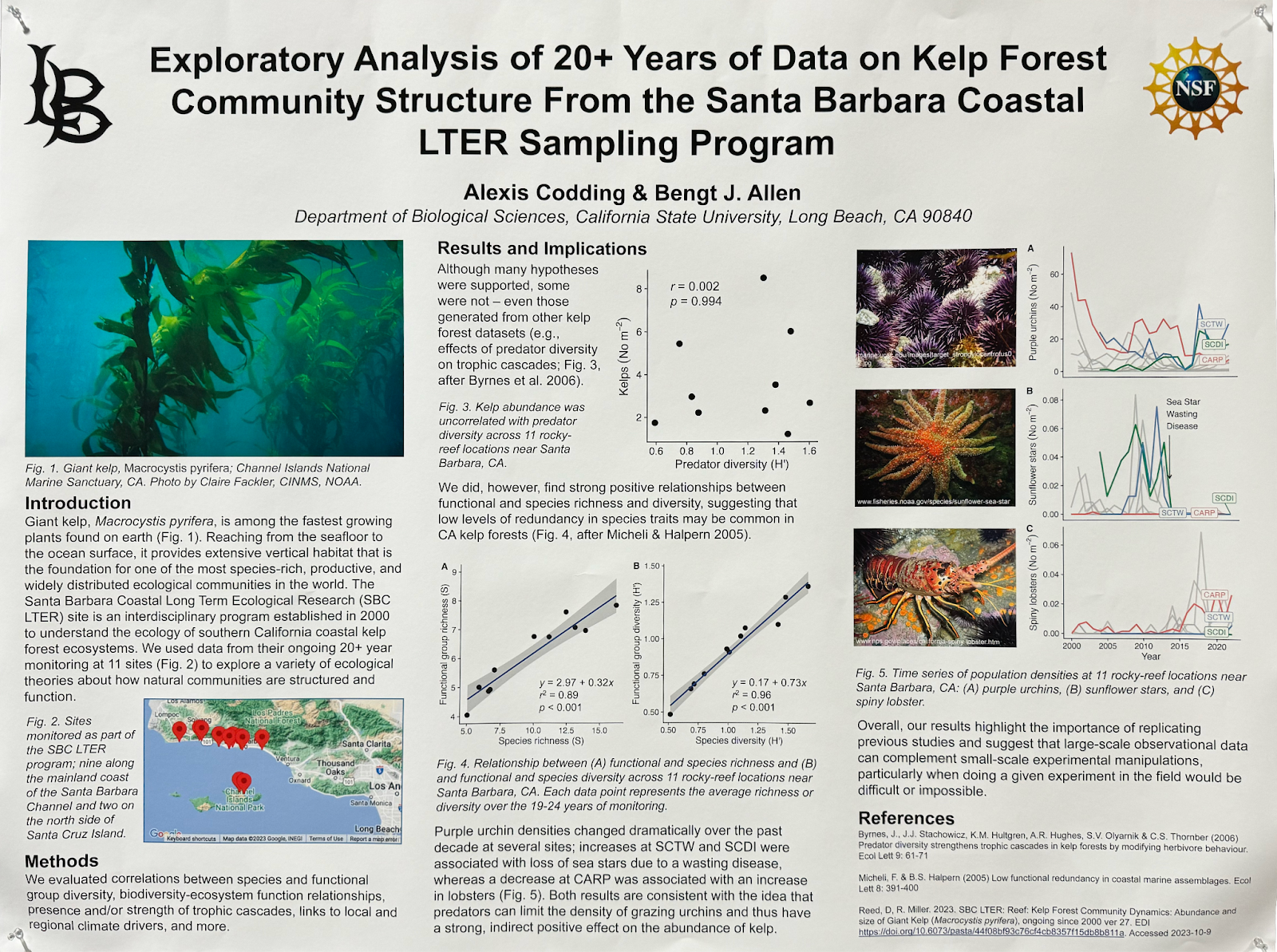
How does an unaffiliated team wind up presenting a poster on decades of LTER data? It begins, as it so often does, with a need for data.
Read more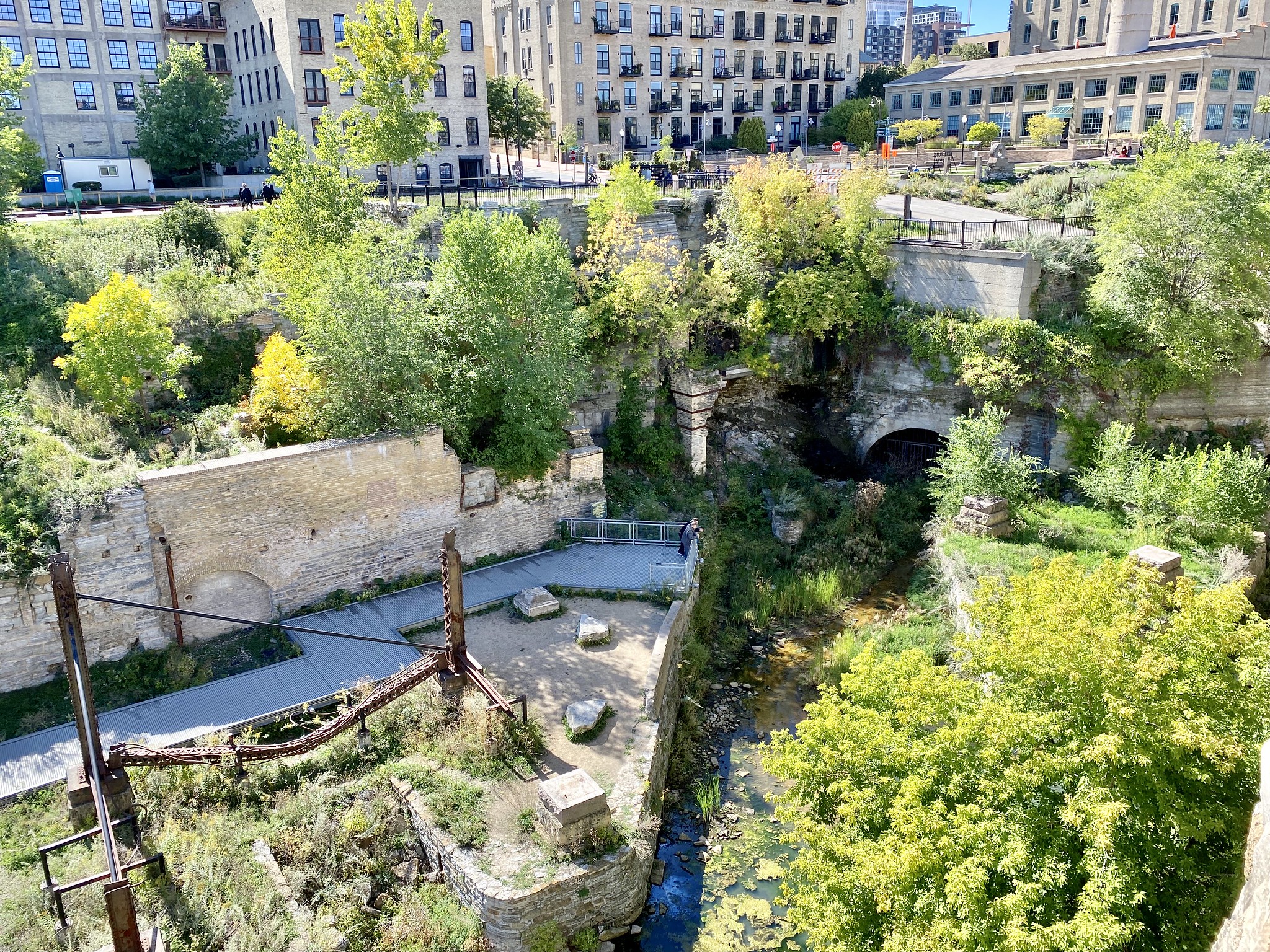
A new paper from the Minneapolis-St. Paul LTER shows that properties that had a racial covenant have better access to environmental benefits than those without.
Read more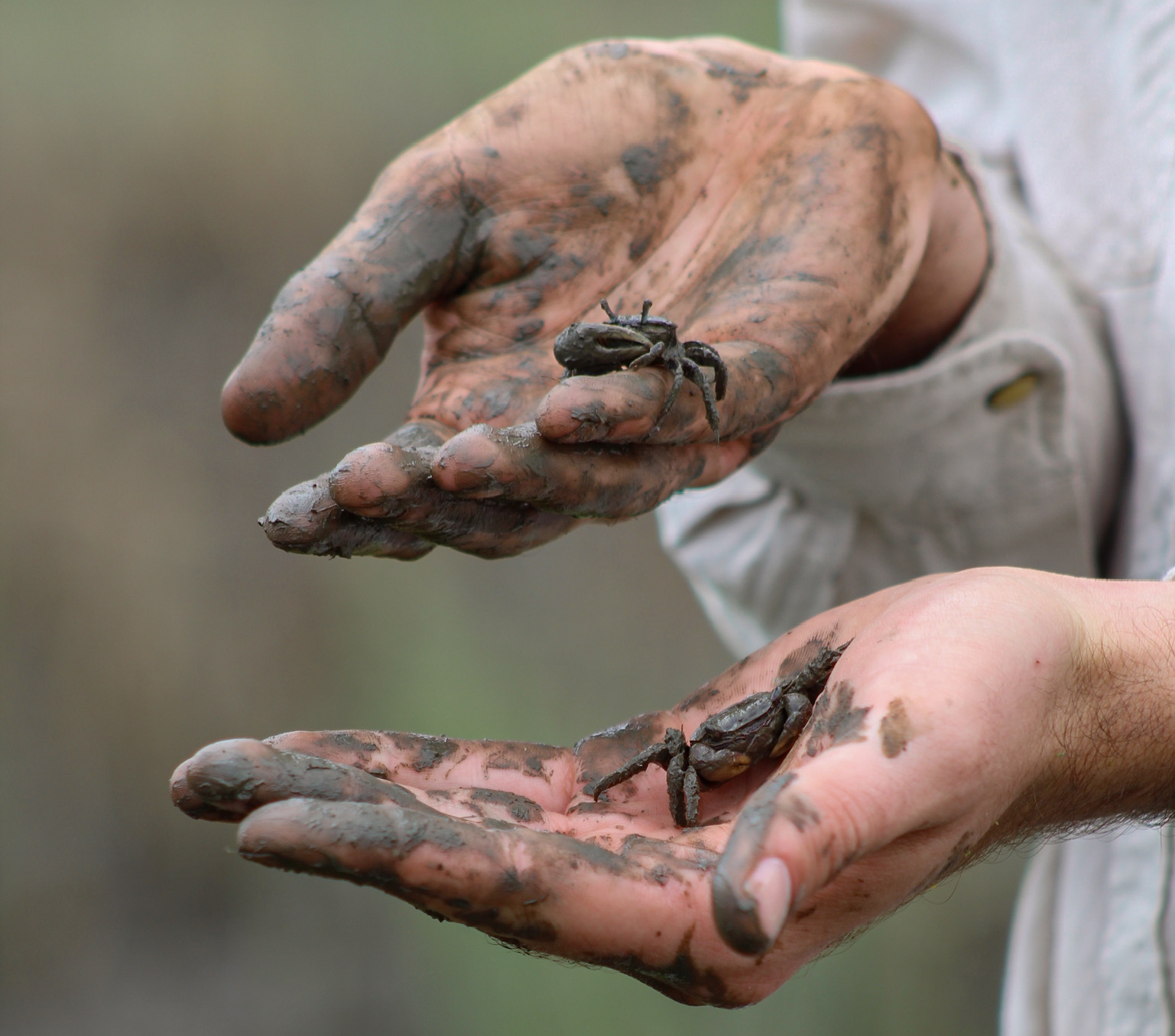
In 2023, several initiatives emerged to increase access to our network, fieldwork in general, and especially to those from marginalized communities.
Read more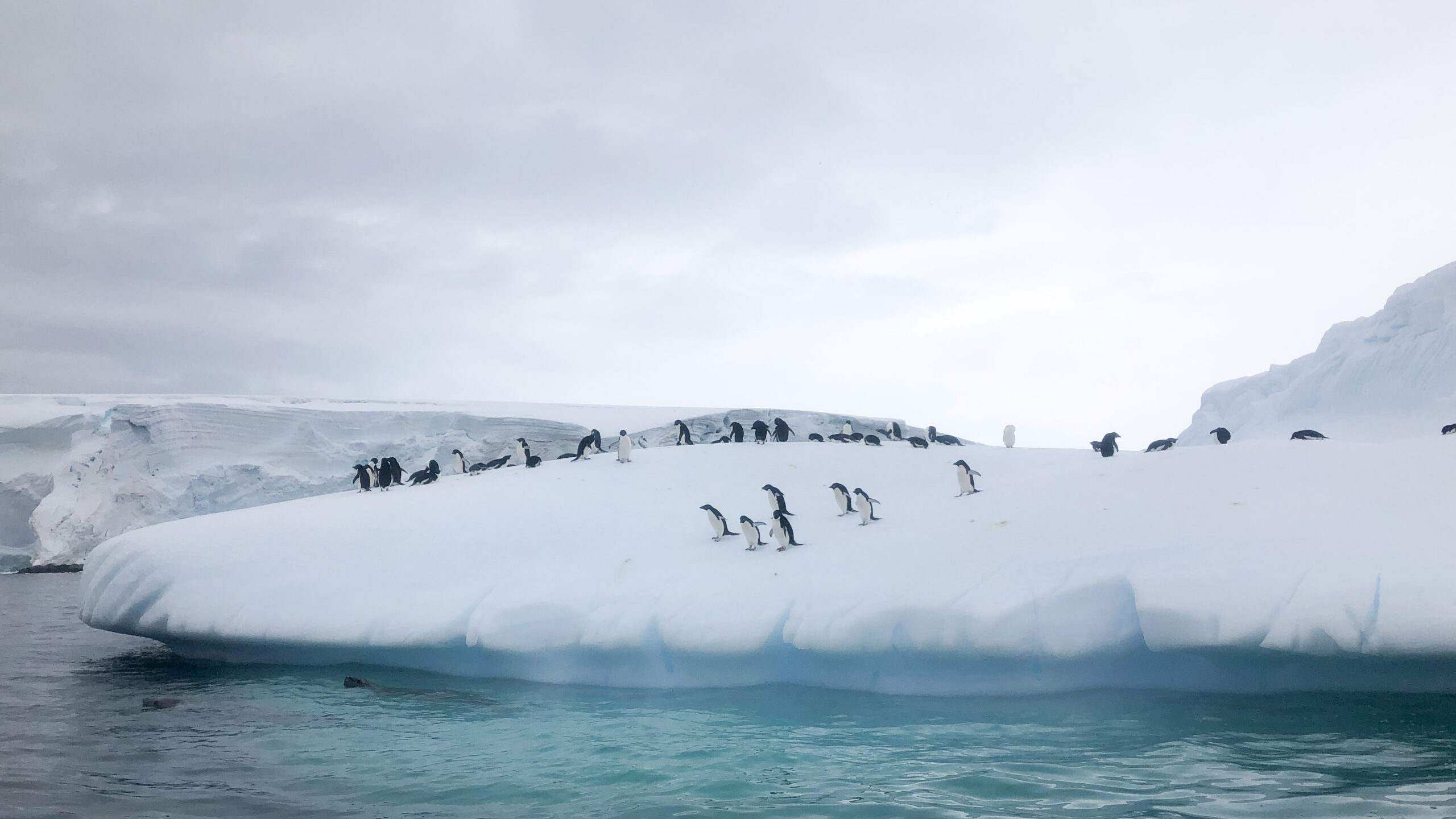
In a new paper published in Limnology and Oceanography, researchers at the Palmer Antarctic LTER show that the Adelie penguin population has suffered as a result of climate change induced krill shortages.
Read more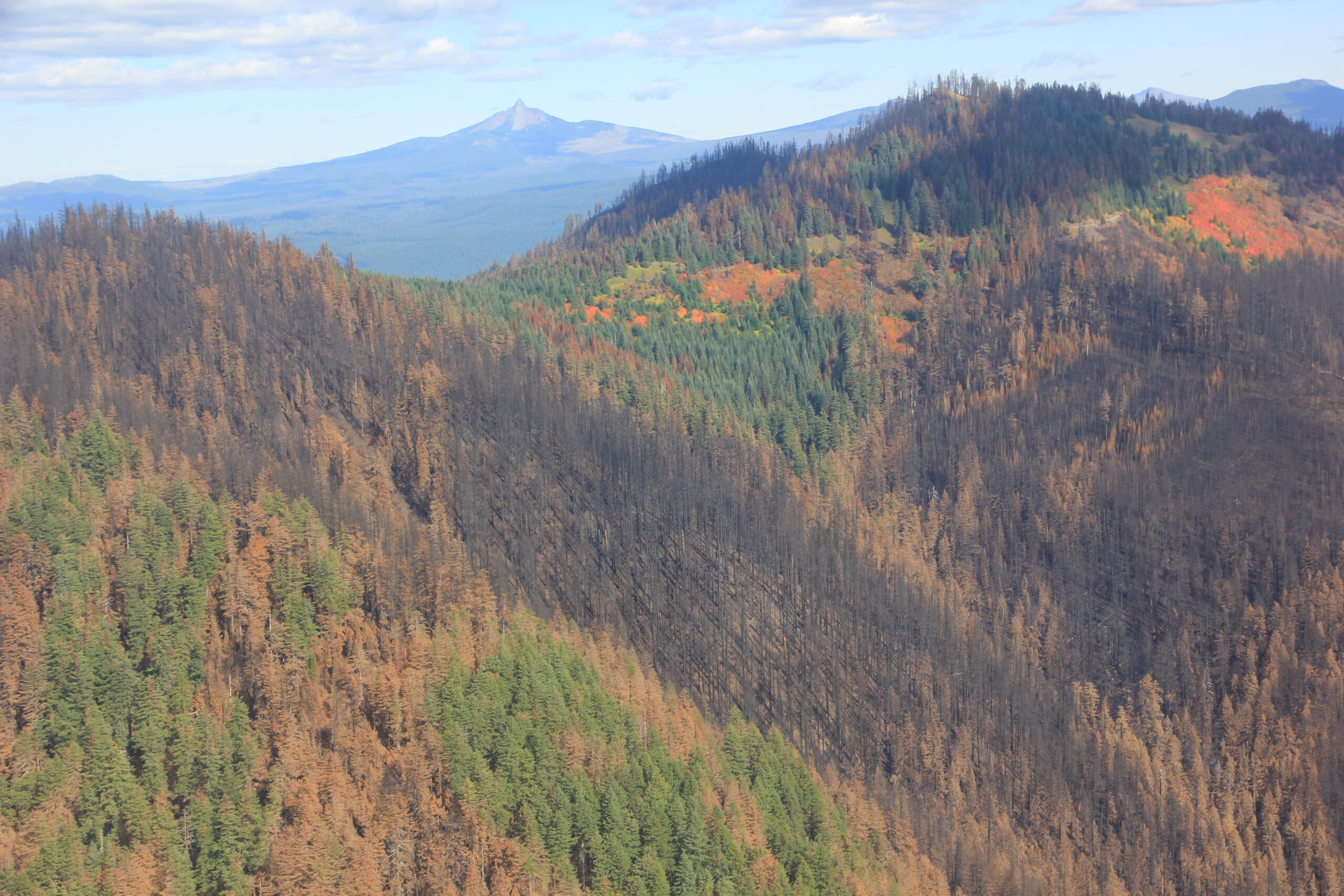
How the Andrews Forest and Moorea Coral Reef LTER sites respond to disturbance highlights the struggle and opportunity that come with an irreparably altered ecosystem.
Read more
Snow is the defining control on Niwot’s ecology, and the annual snow survey adds to a continuous record of snowfall over time.
Read more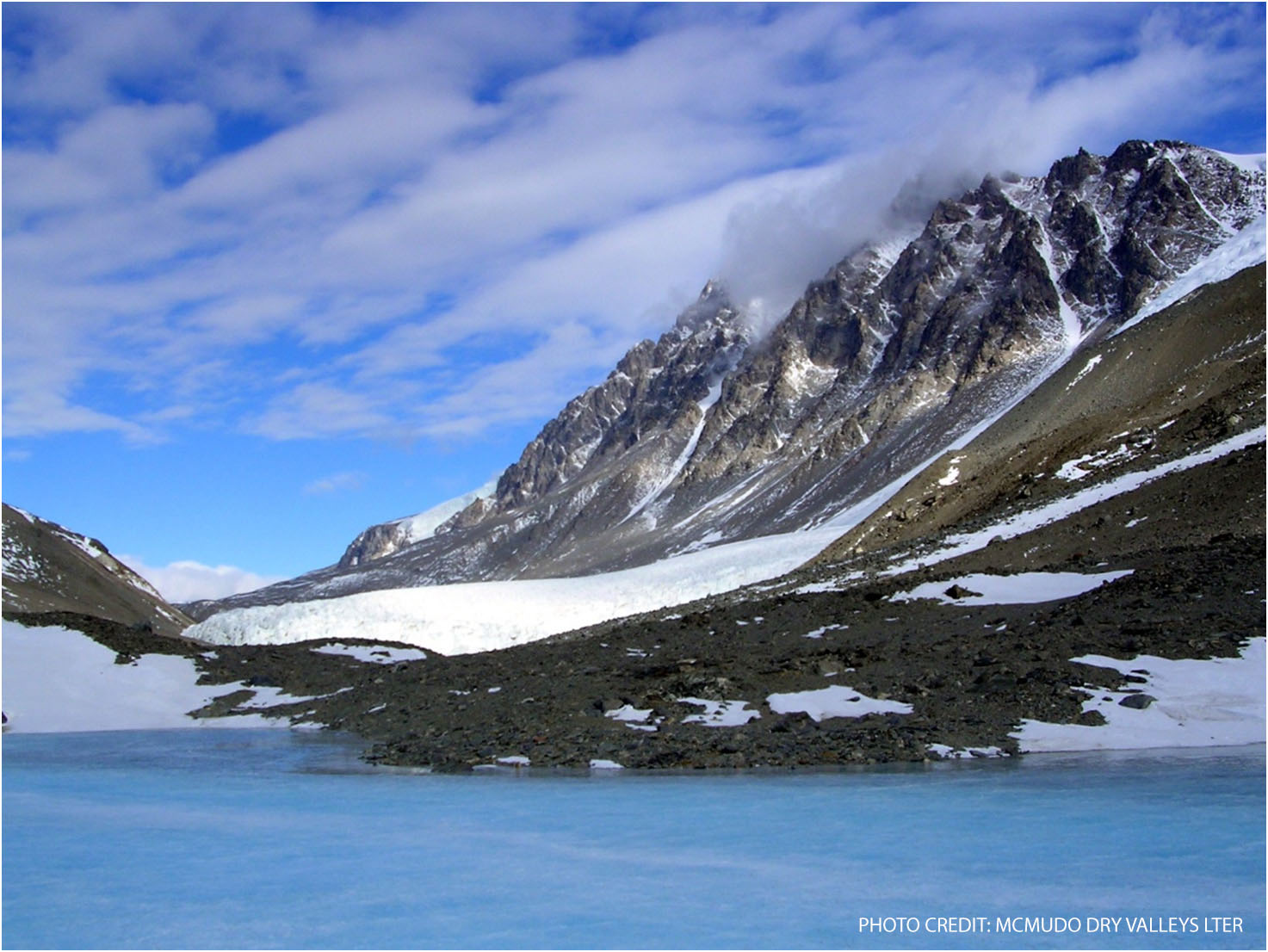
The LTER Network Office sat down with Diane McKnight to chat about her life in the Network, the things she’s learned, and her dreams for the LTER moving forward.
Read more
Partnerships form the center of long-term research at the KBS LTER, and while their goals are different, their work is deeply intertwined.
Read more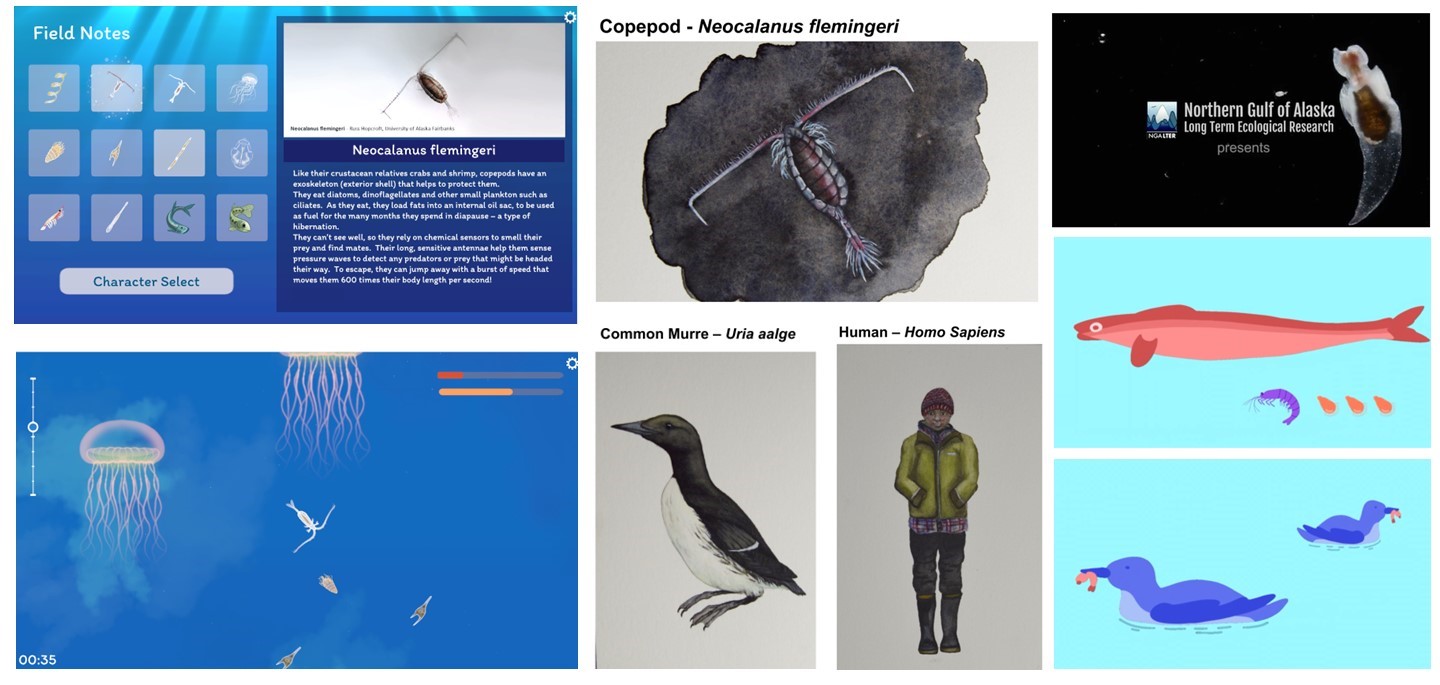
NGA’s Virtual Field Trip brings the Gulf of Alaska to the classroom, pairing a video, video game, and activities to immerse students near and far in the ecosystem.
Read more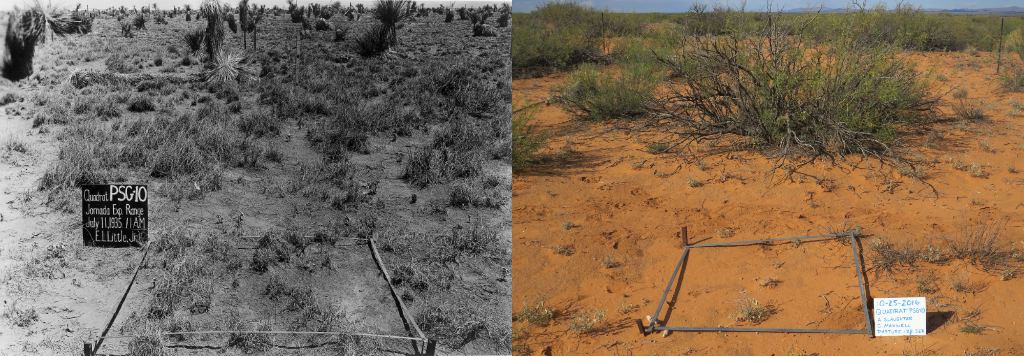
An LTER cross site synthesis effort reveals that soil carbon availability determines nitrogen mineralization and nitrification rates across a wide diversity of terrestrial ecosystems.
Read more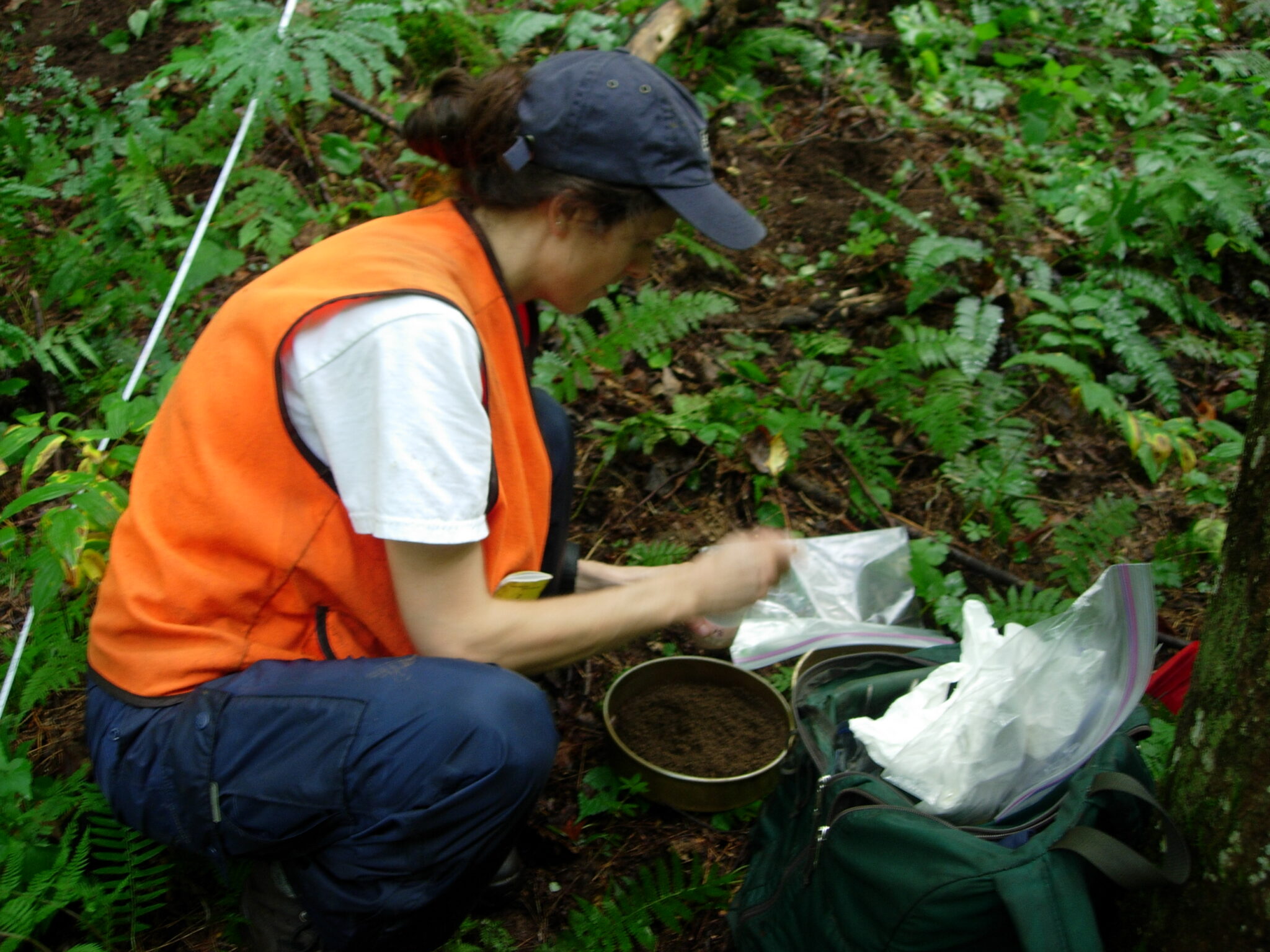
An LTER cross site synthesis effort reveals that soil carbon availability determines nitrogen mineralization and nitrification rates across a wide diversity of terrestrial ecosystems.
Read more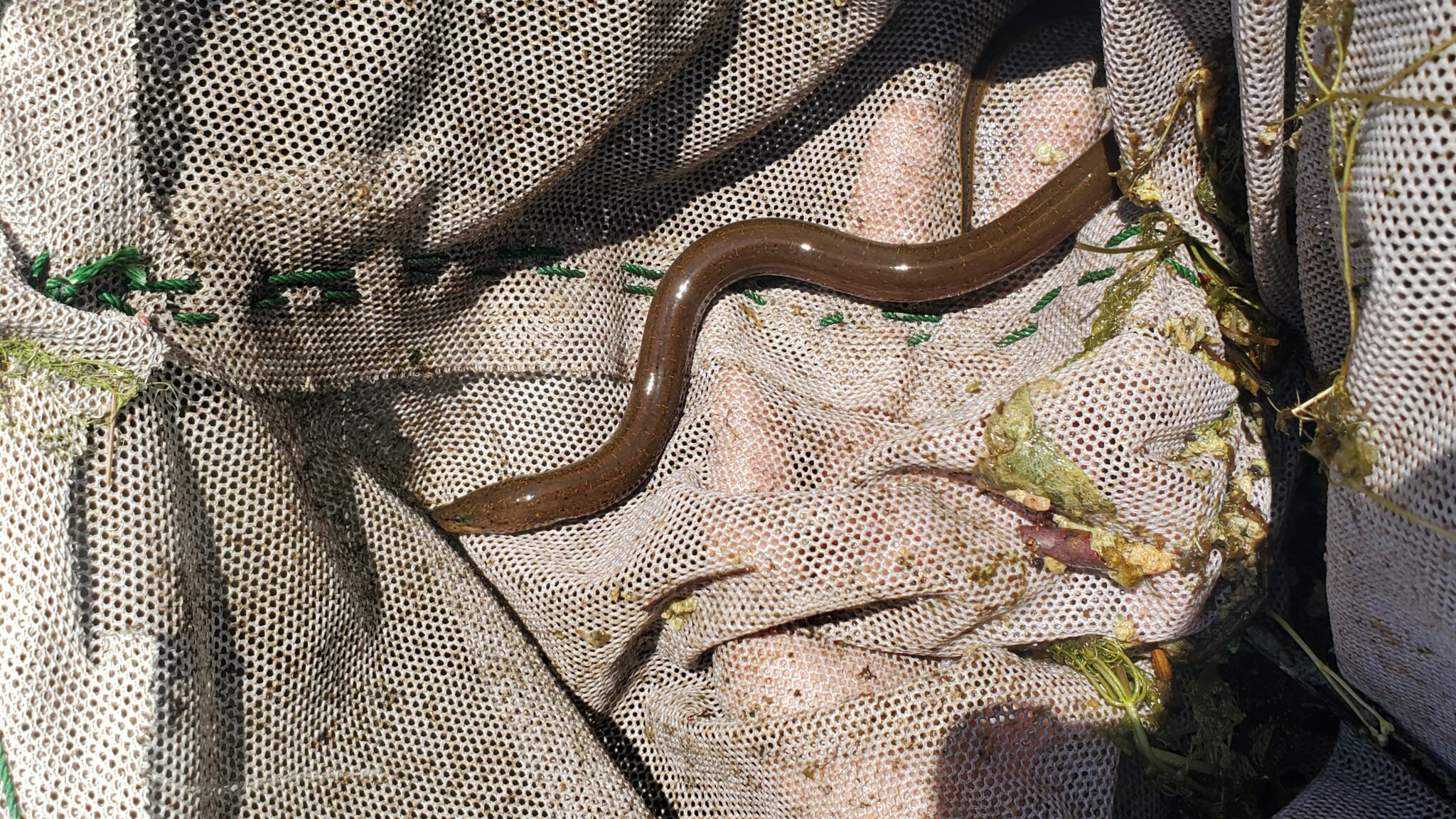
Since its introduction into Taylor Slough in 2009, the swamp eel has nearly eliminated several populations of small aquatic species in the Everglades watershed. The new invasive may be more disruptive to the Everglades than the park’s flagship invasive, the Burmese Python, and brings a new challenge to Everglades management and restoration.
Read more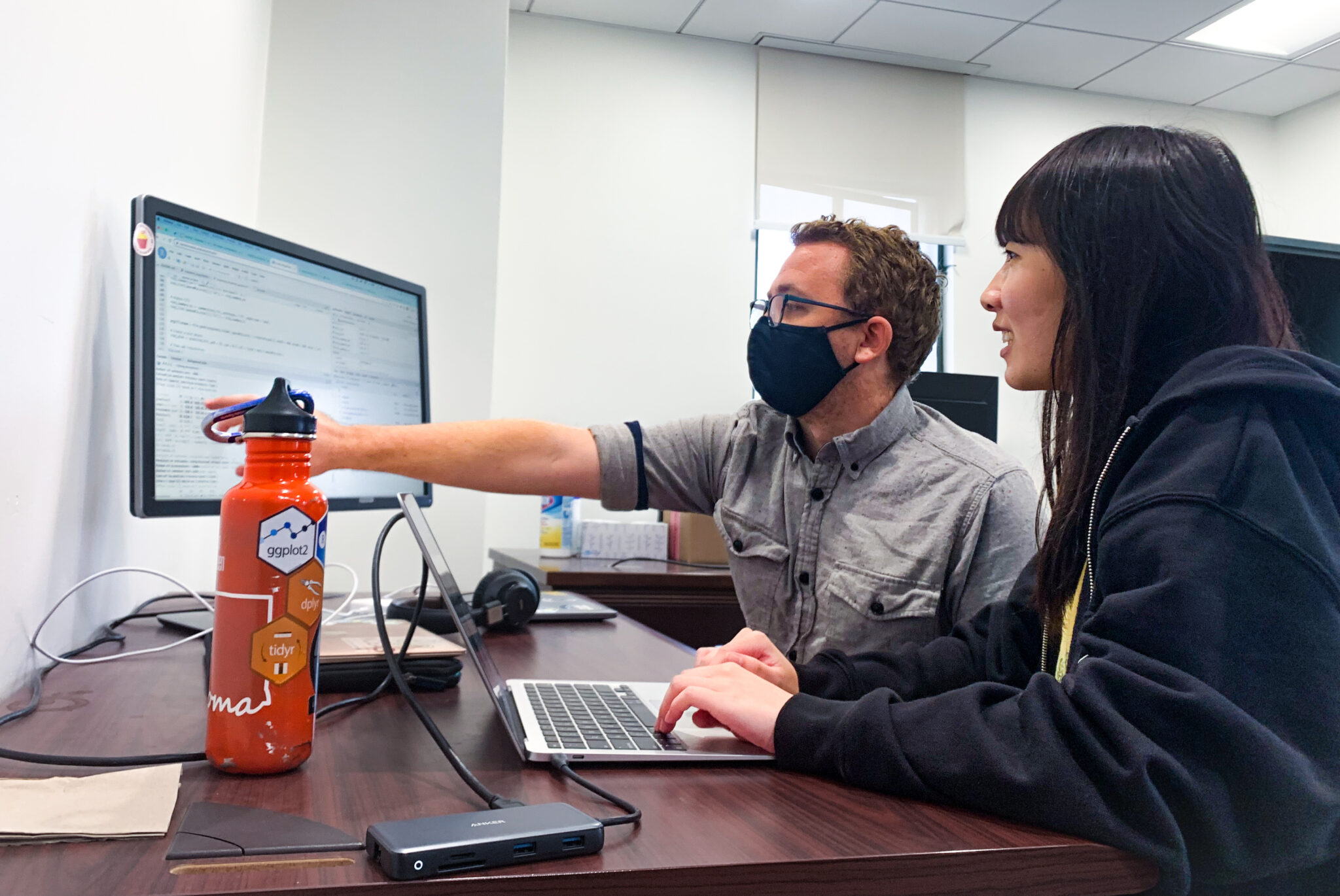
To help working groups focus on the analysis, rather than methodology, the LTER Network Office hired two data analysts, Angel Chen and Nick Lyon, in 2021. They tackle short but critical wrangling tasks during working groups’ in-person meetings, grind away at long-running bits of analysis from afar, and teach critical collaborative and technical skills to facilitate easier collaboration within groups.
Read more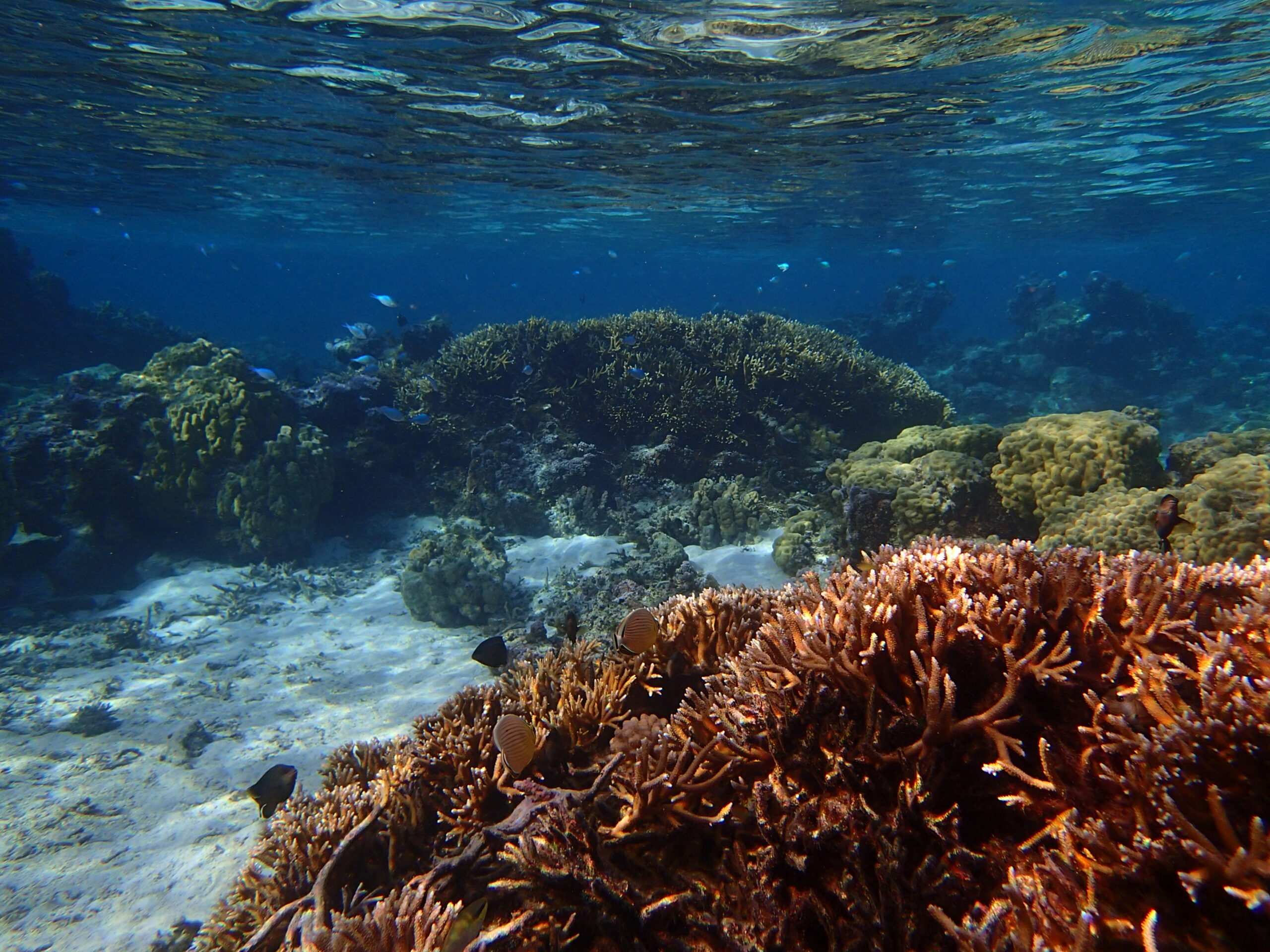
A new analysis of Moorea Coral Reef LTER data shows that grazing has an insignificant effect on coral reef recovery after disturbance. The results, published in Nature Ecology and Evolution, suggest that other factors—nutrient pollution, climate change—vastly outweigh any positive effects of grazing on coral reef recovery.
Read more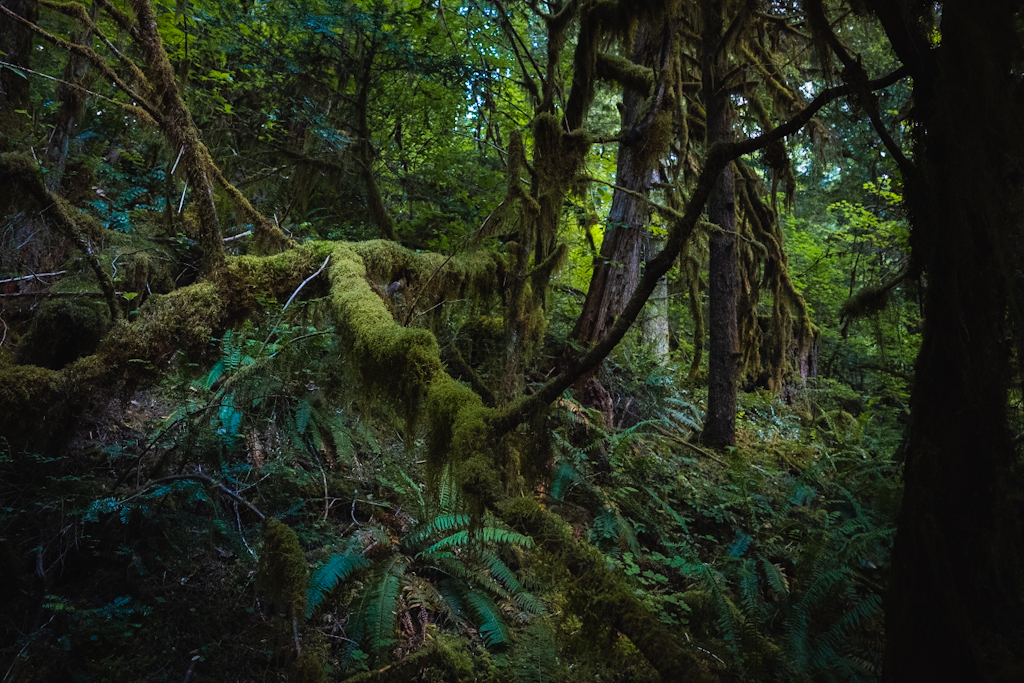
The Andrews Forest has produced cutting-edge long-term research for decades. Moving forward, they look to the treetops—and new technology—to understand the intricacies of the forest.
Read more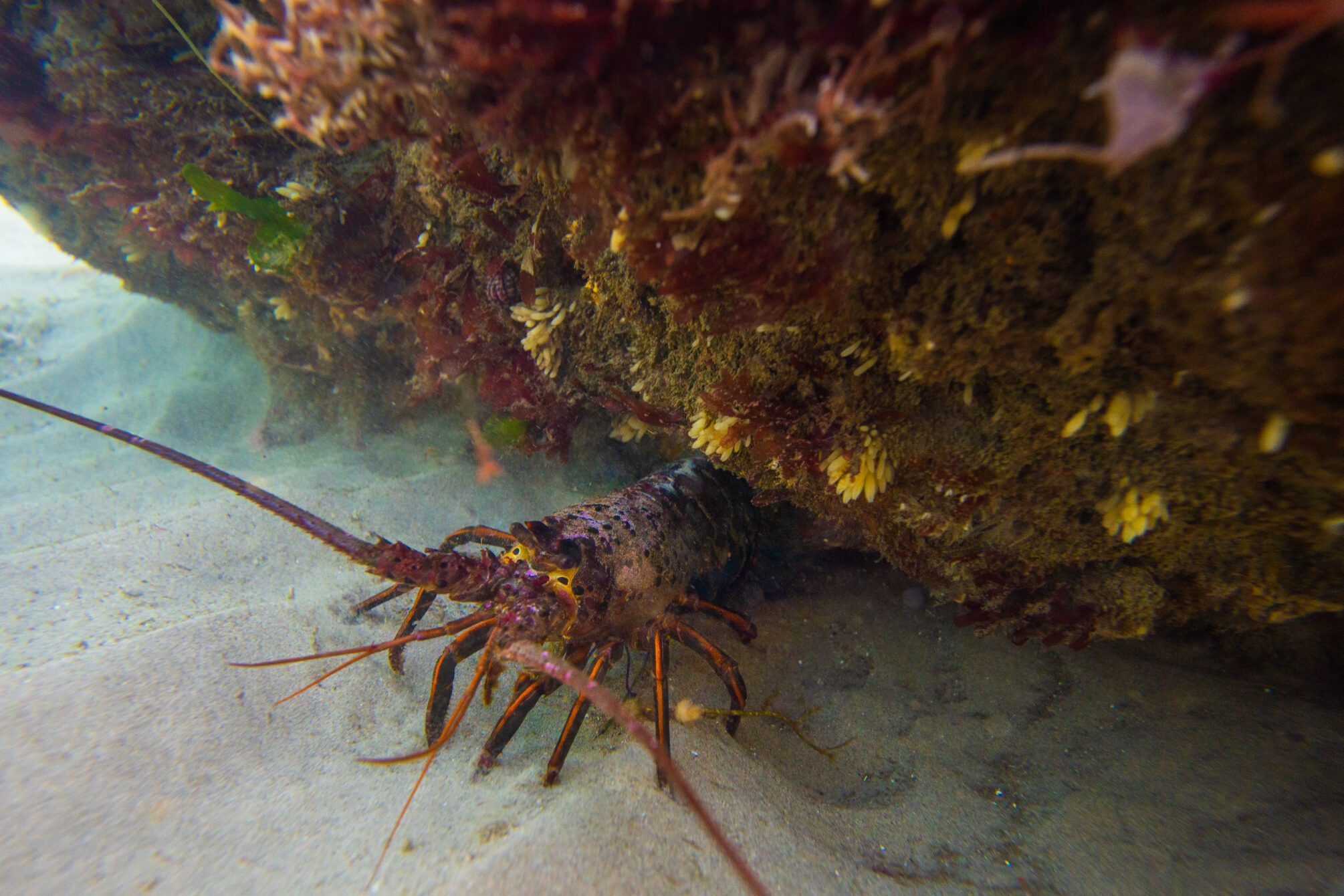
Over a decade after the network’s inception, researchers at the Santa Barbara Coastal LTER show that lobster spillover from Marine Protected Areas caused a 400% increase in lobster abundance just outside of the protected areas between 2008 and 2018.
Read more
Find out what makes an urban LTER site with examples from three ecosystems at the Central Arizona-Phoenix Long-Term Ecological Research site.
Read more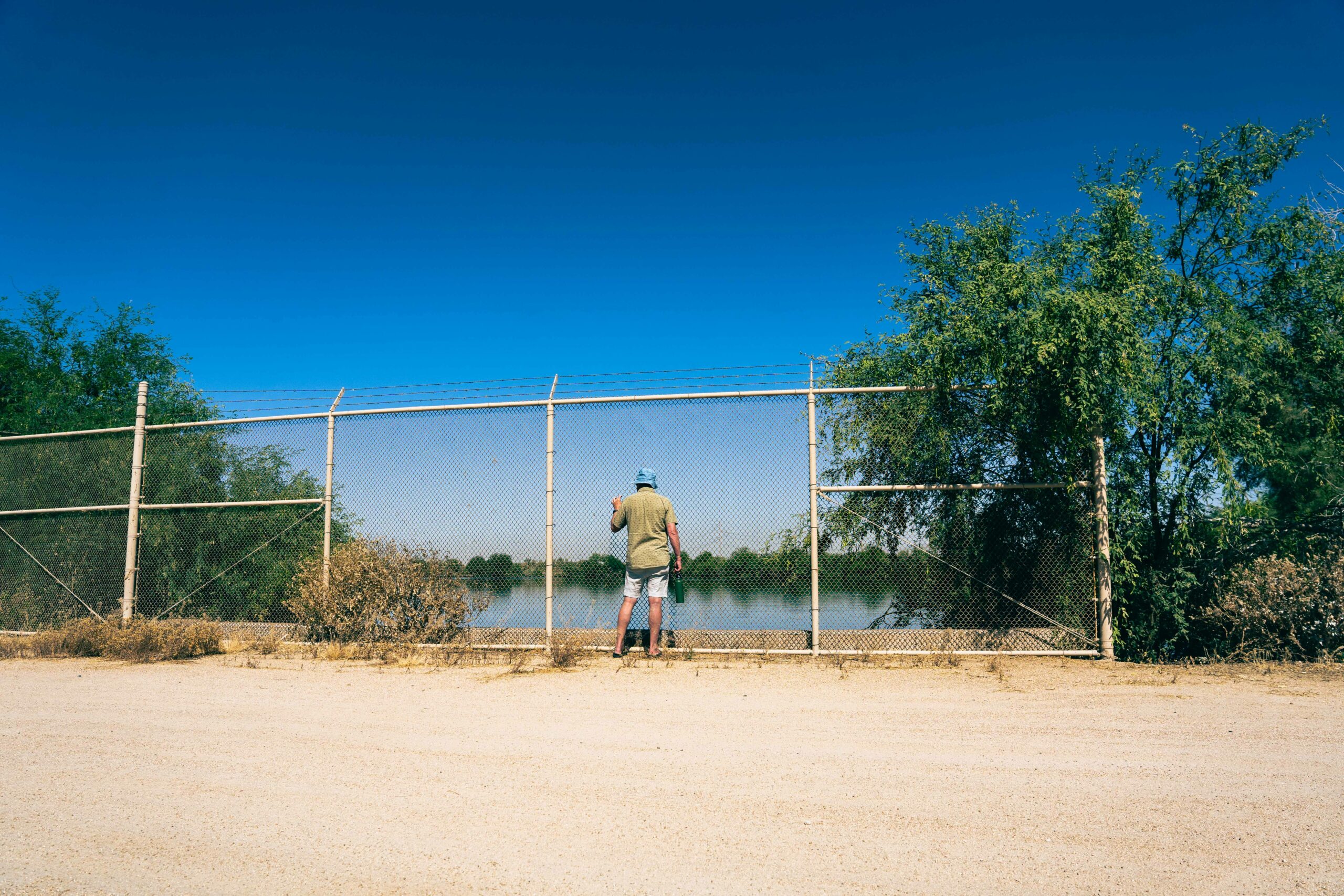
At the Central Arizona Phoenix (CAP) LTER site, the Phoenix Area Social Survey uncovers residents’ relationships to the landscape around them, ultimately revealing drivers of urban environmental change. In parallel with ecological research at the site, the survey has revealed surprising mechanisms of change, challenged long-held assumptions, and demonstrated residents’ connection to long-term ecological trends.
Read more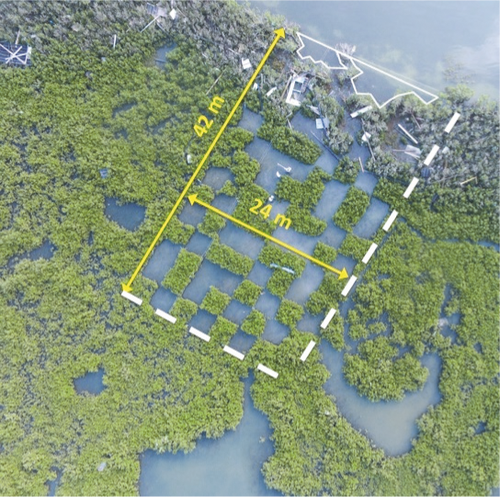
Ecosystems resist devastation from hurricanes by choosing either of two strategies: some ecosystems show high resistance, and can persist through high winds and heavy rainfall; others show high resilience, quick to recover from total devastation.
Read more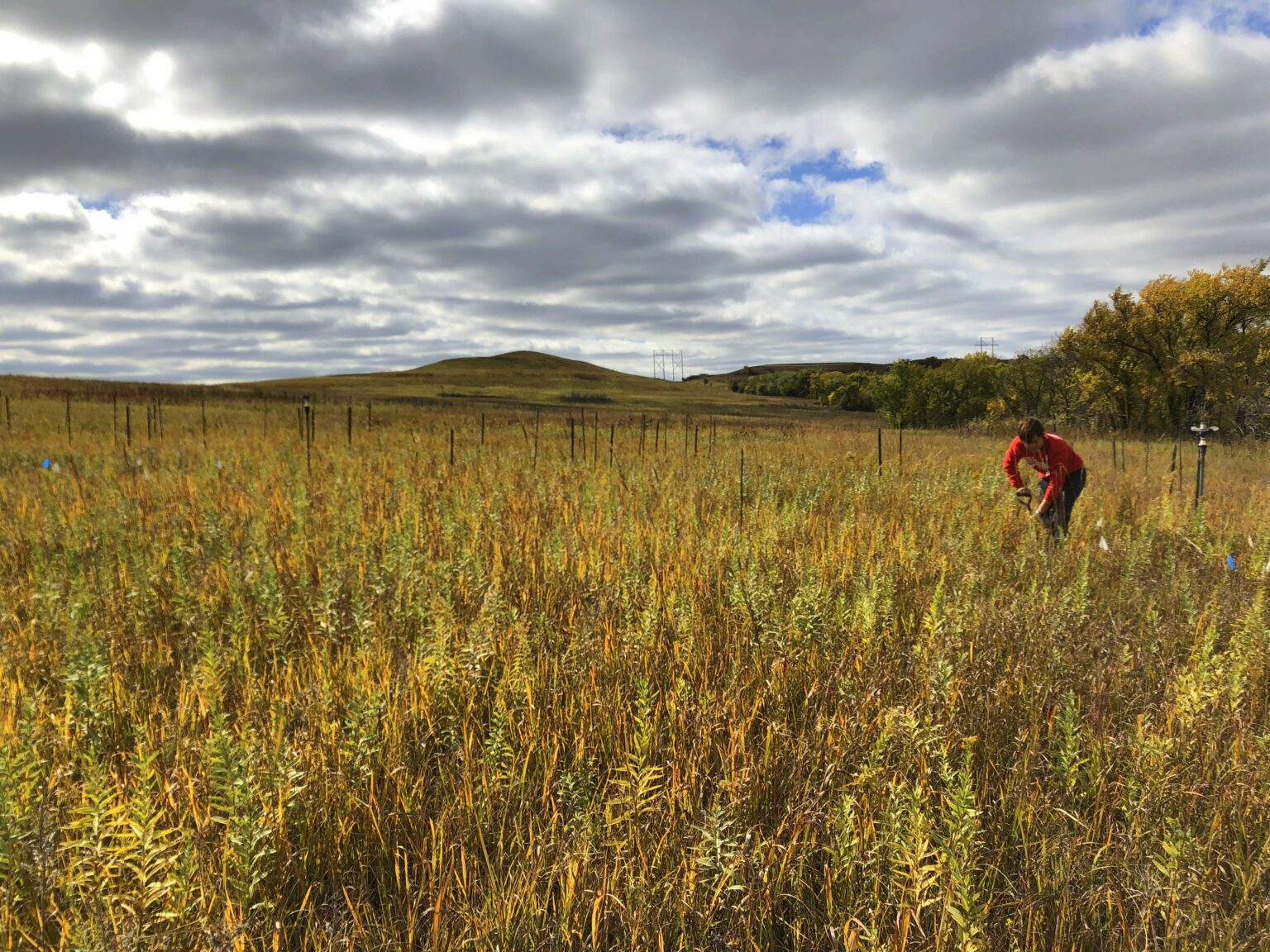
New research from a long-term experiment at the Konza Prairie LTER shows that past climate conditions influence how ecosystems respond to current water availability.
Read more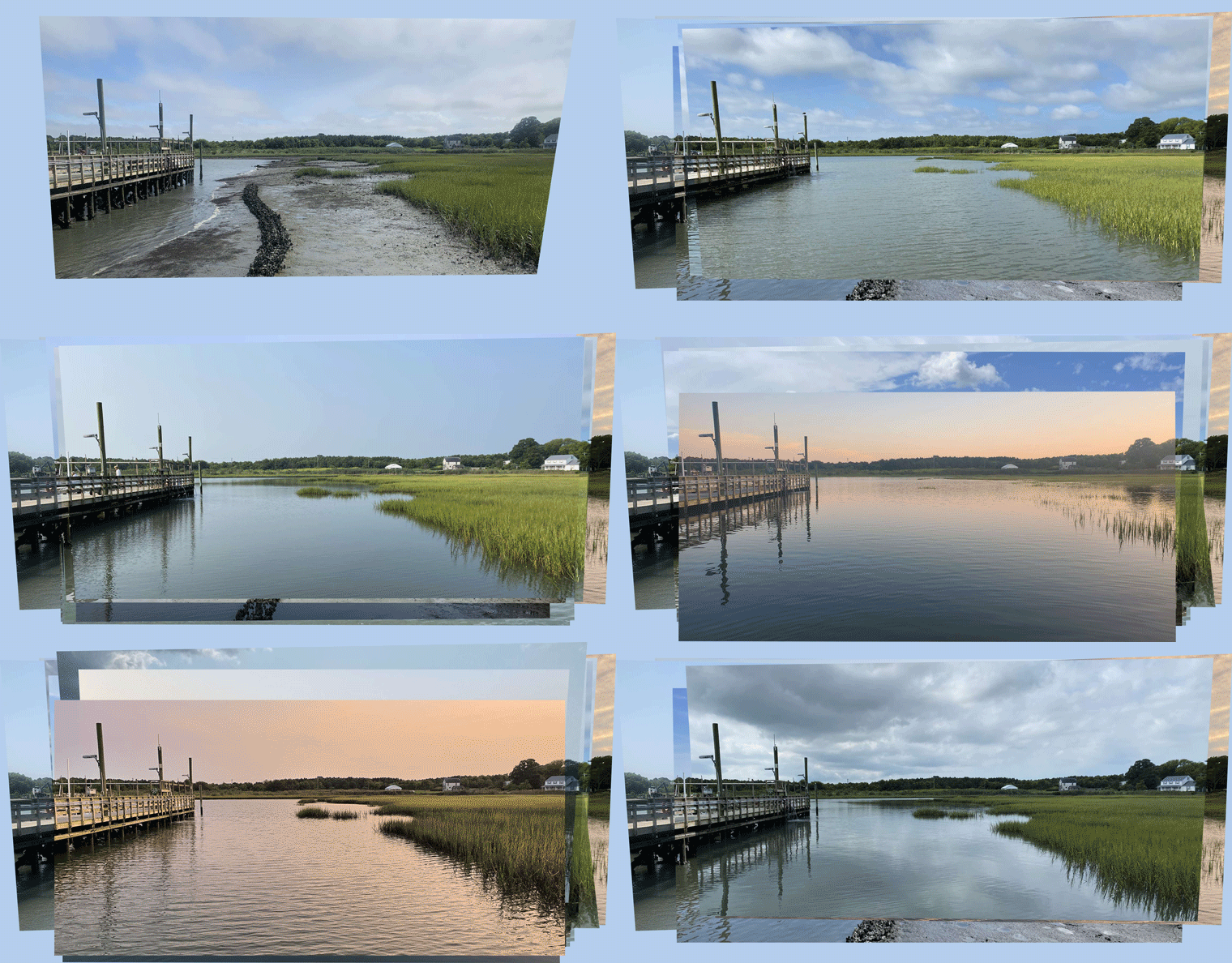
With just a phone camera, anyone can add to a growing dataset tracking environmental change at the Virginia Coast Reserve LTER.
Read more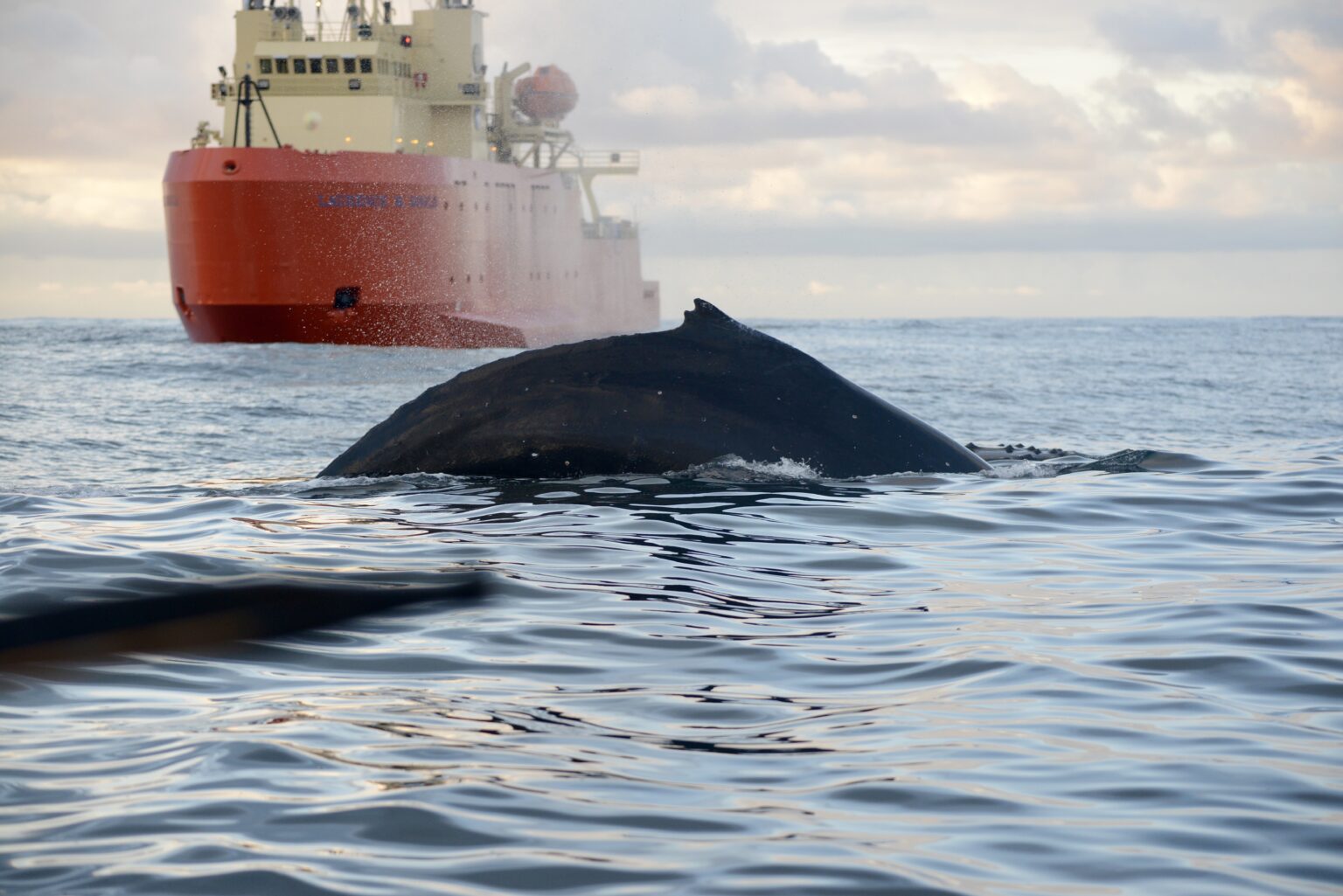
A new study from the Palmer Station LTER used satellite tags to chart the full northbound migration route of Southeast Pacific humpback whales.
Read more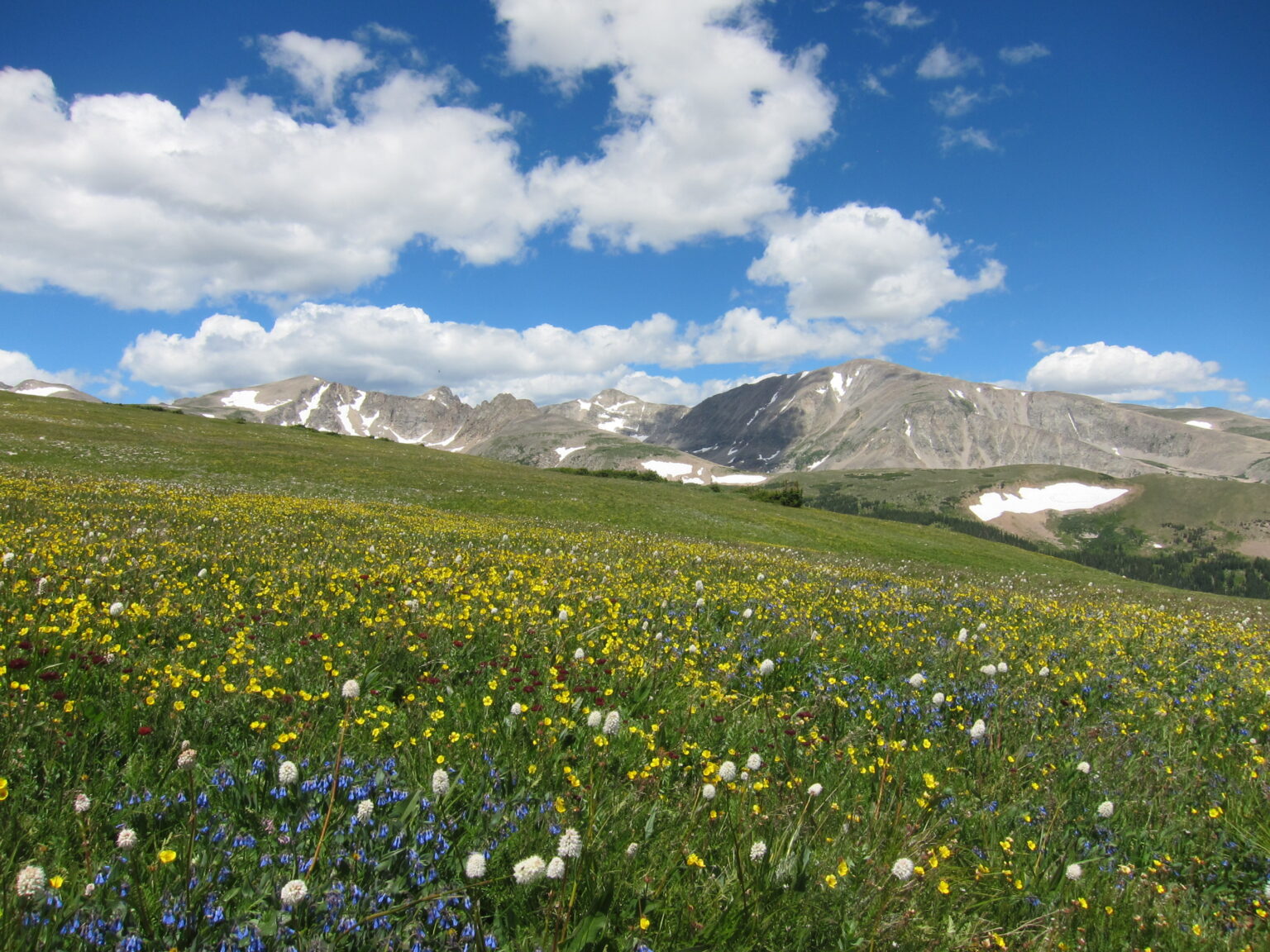
Using an eighteen year long experiment, Niwot Ridge LTER researchers find that soil microbes respond directly to nitrogen addition irrespective of their aboveground plant community.
Read more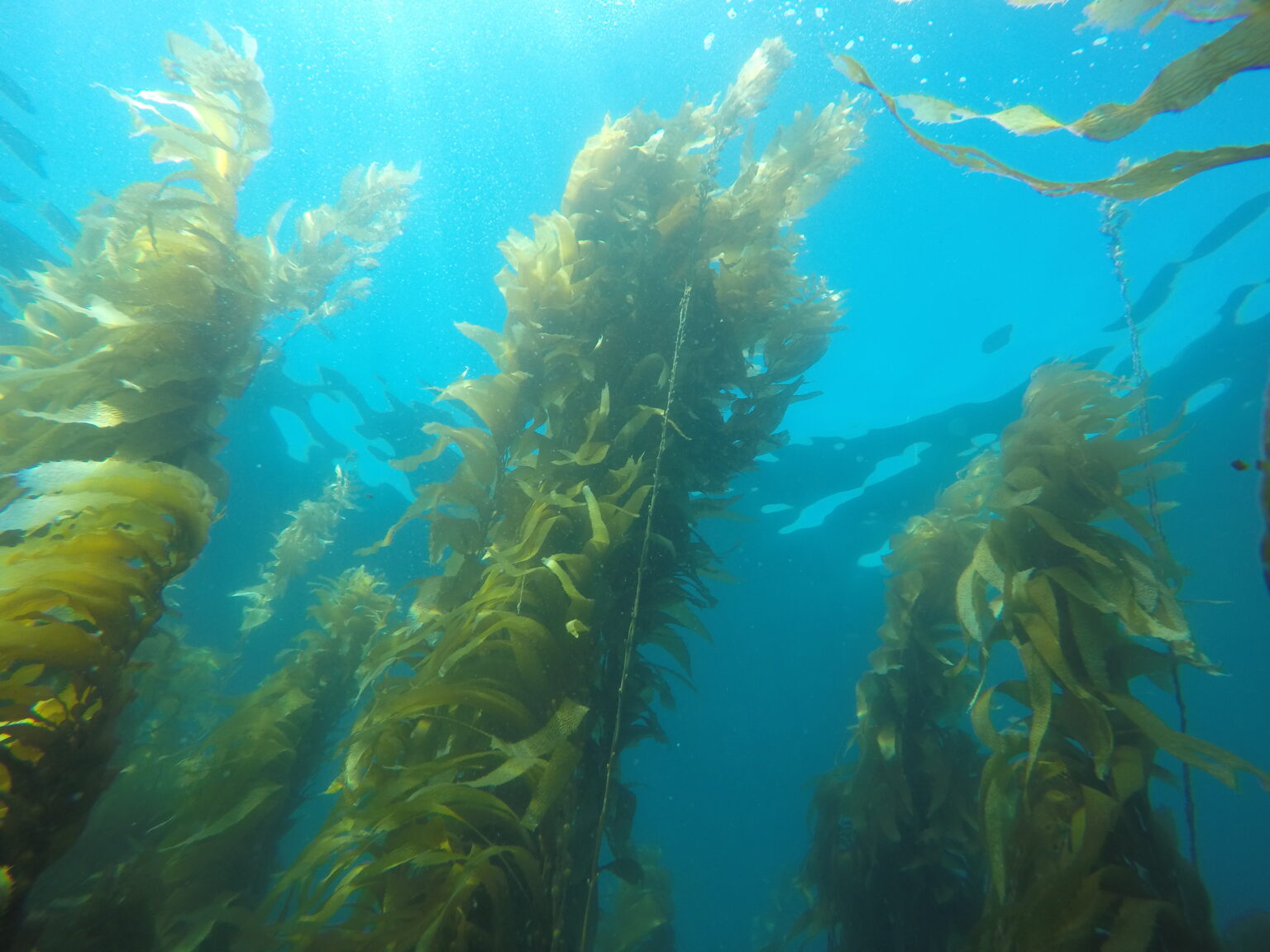
The nutritional quality of Southern California kelp is lower than it once was, a new study from the Santa Barbara Coastal LTER shows. The culprit? Climate change and warming ocean water, coauthors Dr. Heili Lowman and Kyle Emery find.
Read more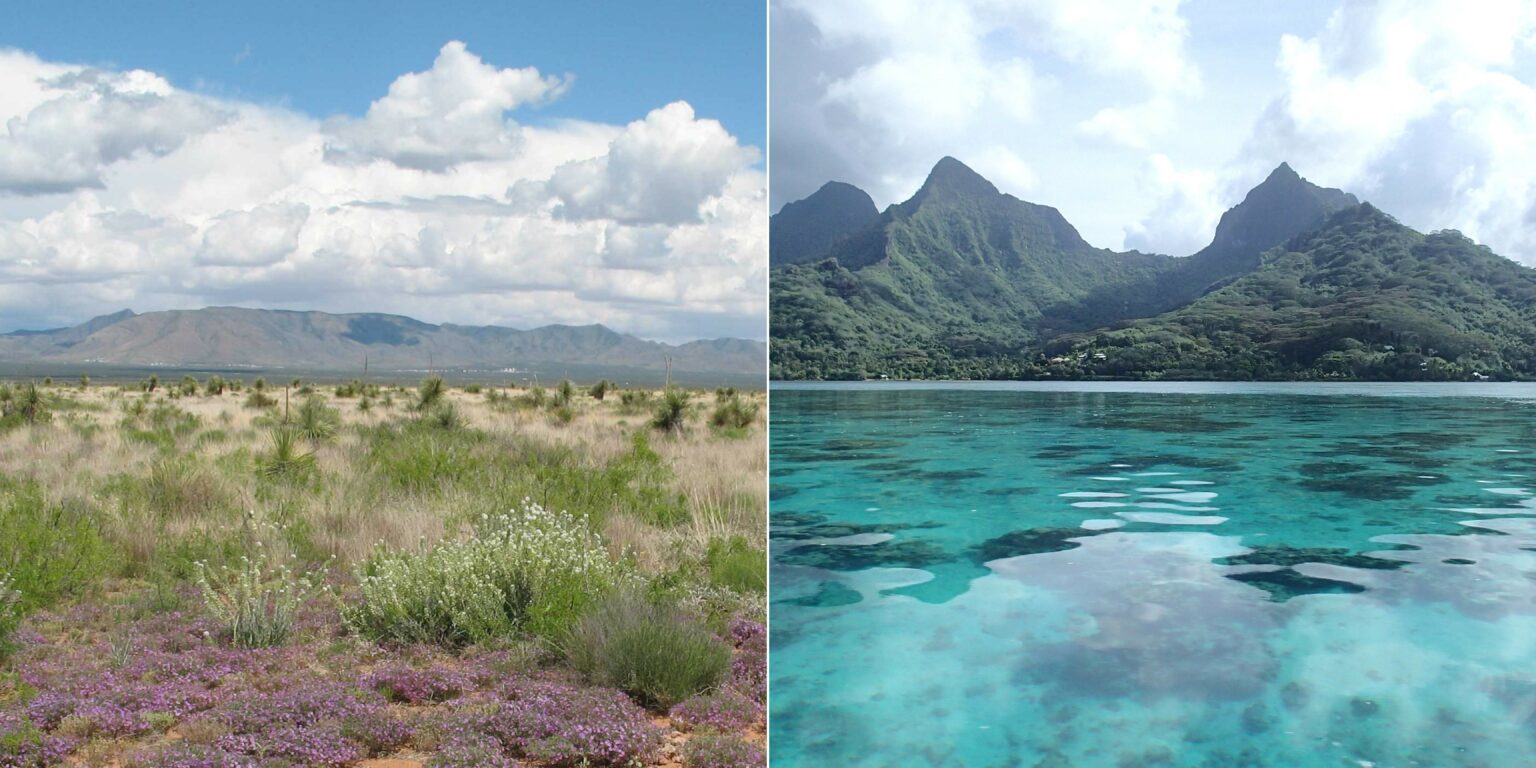
The LTER Synchrony Synthesis Working Group found that biodiversity synchrony, or the coordination between biodiversity fluctuations across communities, actually predicts ecosystem stability better than biodiversity alone.
Read more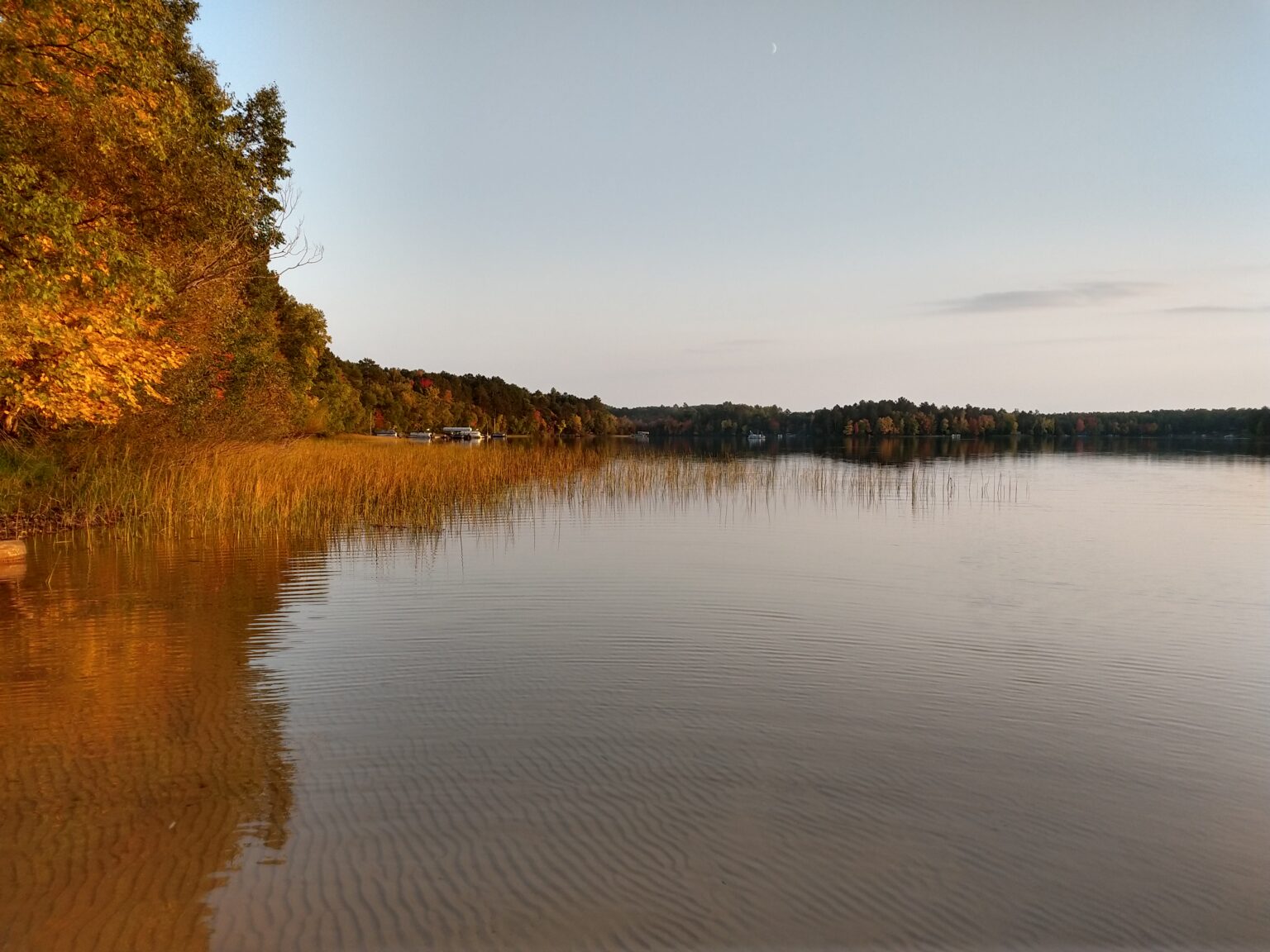
A new paper uses long-term datasets to reveal both spatial and temporal variation for several species of fish in Wisconsin lakes.
Read more